

Vietnam has widened visa‑free access and kept its 90‑day e‑visa, making it easier than ever to plan a beach escape in Mui Ne or a multi‑city Southeast Asia itinerary. This guide explains who can enter Vietnam visa‑free, how long you can stay, what to know about the 90‑day e‑visa, the special Phu Quoc rule, and practical advice so your arrival is smooth.
What changed in 2025?
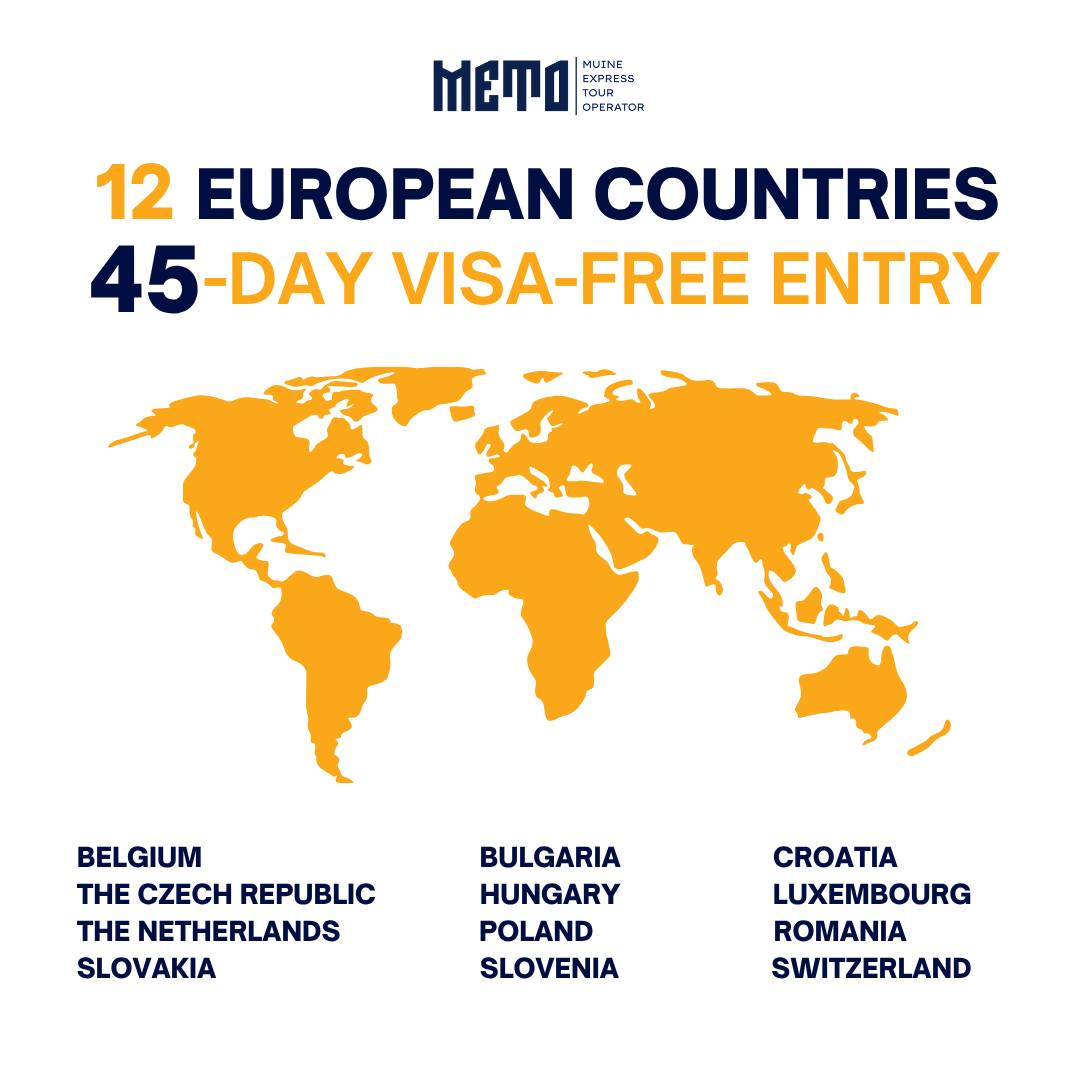
From August 15, 2025 to August 14, 2028, Vietnam grants 45‑day visa‑free entry (for tourism; all passport types) to 12 additional European countries: Belgium, Bulgaria, Croatia, Czech Republic, Hungary, Luxembourg, Netherlands, Poland, Romania, Slovakia, Slovenia, Switzerland. This sits alongside the existing unilateral 45‑day policy that has been in place since 2023.
Who can enter visa‑free (37 countries total)
There are six stay‑length groups. Together, they add up to 37 visa‑free countries for ordinary passports in 2025.
45 days — new since Aug 15, 2025 (tourism purpose): Belgium, Bulgaria, Croatia, Czech Republic, Hungary, Luxembourg, Netherlands, Poland, Romania, Slovakia, Slovenia, Switzerland.
45 days — unilateral policy since Aug 15, 2023: Germany, France, Italy, Spain, United Kingdom (not BNO), Russia, Japan, South Korea, Denmark, Sweden, Norway, Finland, Belarus.
30 days: Singapore, Malaysia, Thailand, Indonesia, Laos, Cambodia, Kyrgyzstan.
21 days: Philippines.
14 days: Brunei, Myanmar.
90 days (bilateral): Chile, Panama.
Heads‑up: Stay limits vary; immigration officers may ask to see onward/return tickets and accommodation details. Keep your passport valid for at least 6 months on arrival.
Phu Quoc’s 30‑day rule (all nationalities)
If you enter directly to Phu Quoc by international flight or cruise and do not visit mainland Vietnam during that stay, you can remain visa‑free for up to 30 days, regardless of nationality. You’ll need a passport valid for at least six months and a confirmed ticket leaving Phu Quoc within 30 days.
E‑visa: the flexible option for everyone else
For travelers who are not visa‑exempt or who need longer stays and multiple entries, Vietnam’s e‑visa is straightforward. It is valid up to 90 days, available as single or multiple entry, and is issued via the official Vietnam Immigration portal. The government fee is US$25 for single‑entry and US$50 for multiple‑entry, non‑refundable. When you apply, choose your intended entry date carefully—your e‑visa becomes valid from that date—and be sure the approved port of entry matches where you actually arrive. Keep a PDF printout or screenshot for inspection.
Entry conditions you should meet
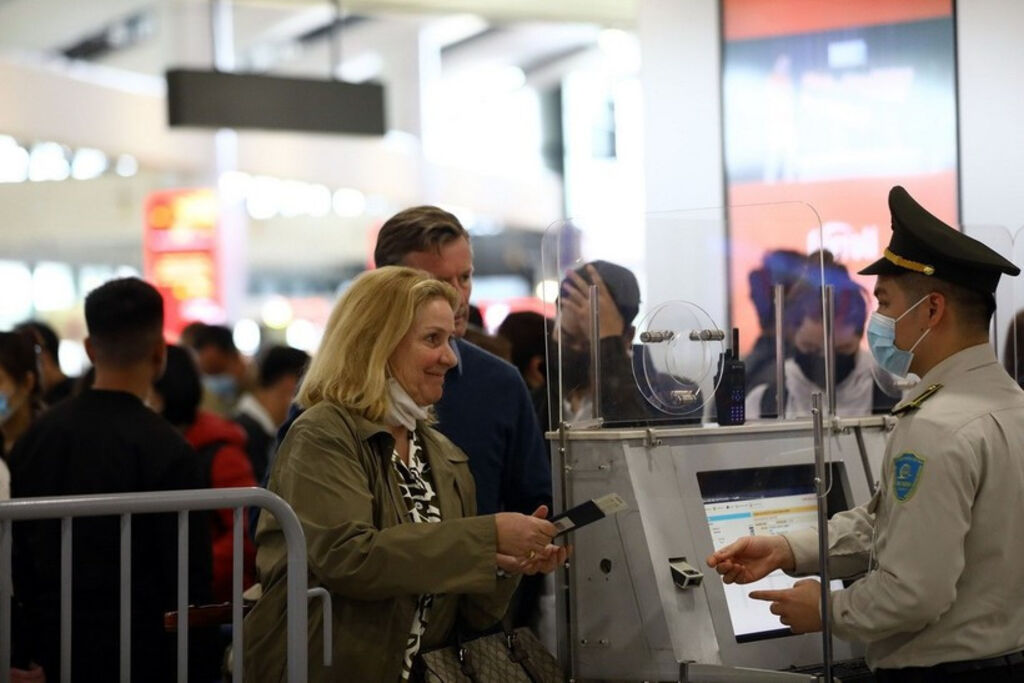
Most visitors sail through the airport when they prepare a few basics in advance:
- Passport validity: at least 6 months remaining on arrival, with a blank page for the stamp.
- Proof of onward/return travel: airlines or border officers may check that you will leave within the permitted stay.
- Purpose of stay: match the policy you use (for example, tourism for the 12 new EU countries’ 45‑day waiver).
Picking the right option
If your trip is 45 days or less and your passport appears in one of the 45‑day lists, enter visa‑free—it’s the quickest route with no application fee. If you plan to stay up to 90 days or re‑enter Vietnam after visiting a neighbor like Cambodia, apply for a multiple‑entry e‑visa instead. If you just want an island‑only escape, fly directly to Phu Quoc and enjoy up to 30 days visa‑free (remember: no side trips to the mainland under this rule).
For citizens of Belarus, note that a bilateral arrangement allows 30 days per entry (up to 90 days per year); some official pages also list Belarus in the 45‑day unilateral group. Double‑check your planned length of stay and carry proof of onward travel.
Avoid these common mistakes
Unofficial sites. Only apply for an e‑visa through the official portal; if you see fees other than US$25/US$50 for the visa itself, you are likely on a third‑party service.
Wrong dates. Your e‑visa validity starts on the intended entry date you chose—add a 1–2‑day buffer in case flights change.
Entry port mismatch. The port named on your e‑visa must match where you actually enter.
Overstays. Fines may apply; if you need longer, exit and re‑enter with the correct option.
Phu Quoc misunderstanding. The 30‑day island exemption does not cover mainland Vietnam.
FAQs
1. Can I work on a visa‑free entry or tourist visa?
No. Paid work requires the appropriate work visa or permit.
2. Can I extend a tourist e‑visa inside Vietnam?
Extensions are not guaranteed. Many travelers exit and re‑enter on a fresh e‑visa if they need more time.
3. Is travel insurance required?
It isn’t mandatory, but comprehensive medical and trip‑disruption cover is strongly recommended.
Need help? Contact METO | Muine Express Tour Operator
Let METO handle the admin while you plan the fun: we’ll recommend the best entry option (visa‑free vs 90‑day e‑visa), check your documents (names, passport number, dates, entry port), and arrange airport pick‑ups, limousines or private transfers to Mui Ne and beyond.
Ready to go? Message us and take you to Mui Né, Let ME take you TO explore Vietnam!
Contact Us:
📞: Ms. Tina (по-русски): +84987657369
📞: Mrs. Nancy (English): +84 969 209 199
📧 Email: info@muinexpress.vn
Muine Express Travel & Transport – Your Trusted Travel Partner!